Top 10 Tips for Choosing the Right PhD Rotary Actuator?

Time:2026-06-04 Author:Amelia
0%

Choosing the right PhD rotary actuator is crucial for optimizing your projects. With various options available, it can be overwhelming. These devices are essential in applications requiring precision and reliability, influencing performance directly.

When selecting, consider factors like torque, speed, and size. Each parameter plays a vital role in the actuator’s effectiveness. It's important to reflect on the specific application. For instance, high torque might be necessary for heavy loads, while speed is vital for fast operations.

Consulting with experts will enhance your decision-making process. They can provide insights based on their experiences. With the right information, you can avoid common pitfalls. Ultimately, the goal is to ensure the PhD rotary actuator you choose meets all your technical requirements.
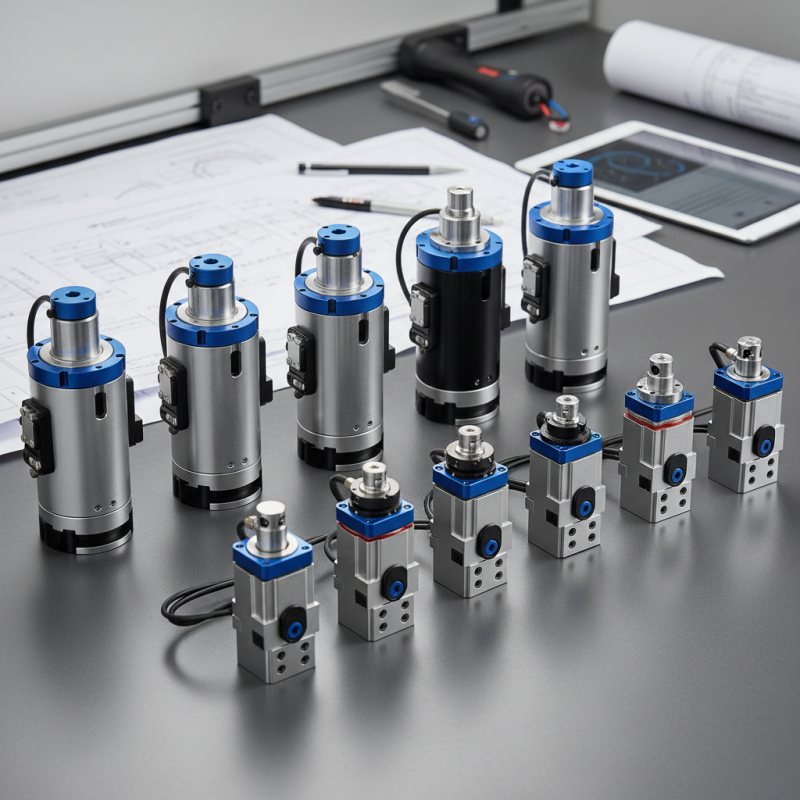
Top 10 Tips for Choosing the Right PhD Rotary Actuator?

Understanding PhD Rotary Actuators: Key Specifications and Types

When selecting a PhD rotary actuator, understanding key specifications and types is crucial. Various types cater to distinct applications. For instance, electric and pneumatic actuators differ significantly. Electric actuators are precise and efficient, while pneumatic options offer high speed. Knowing the differences helps in making informed choices.

Torque specifications play a vital role. Each actuator has a torque rating, influencing performance. Higher torque usually means more powerful motion. However, it may lead to increased wear and tear. Evaluating your application's requirements against these ratings is essential. Consider the environment too. For example, some actuators withstand harsh conditions better than others.

Budget constraints cannot be ignored. Higher specifications often come with a higher price tag. Sometimes, lower-cost options may suffice, but they might lack reliability. It's important to assess the balance between cost and performance. Analyze your needs carefully to avoid overspending.

Evaluating Torque and Speed Requirements for Your Application

When choosing a rotary actuator, torque and speed are crucial parameters. Torque determines how much force the actuator can apply, while speed influences the actuator's response times. A torque output that matches your application requirements is vital. For instance, a high-torque actuator is necessary for heavy-duty applications, such as robotics in manufacturing, where up to 200 Nm of torque may be needed.

Speed is equally important. The speed of the actuator influences its operational efficiency. Most applications require specific speed ranges, often between 20 to 120 rpm. An industry study indicates that failing to select the right speed can lead to inefficiencies and increased wear on machinery. It’s essential to analyze not only peak speeds but also the average operational speed required for your processes.

Understanding the interplay between torque and speed ensures that you select an actuator that aligns with your application needs. Industry reports suggest that up to 70% of actuator failures stem from improper torque and speed selection. Careful evaluation can minimize risks significantly. Consider operational cycles and environmental factors, which can also play a role in actuator performance.

Importance of Sizing and Integrating Actuators in System Design

When designing systems, the importance of sizing and integrating actuators cannot be overstated. Choosing the right size ensures that the actuator can handle the required load without struggle. Oversized actuators may waste energy, while undersized ones can lead to failures. Each actuator’s specifications must align carefully with the system's demands. Considerations include maximum torque, speed, and operational range.

Integration plays a crucial role in enhancing system performance. Actuators need to fit seamlessly within the design framework. Misalignment can lead to inefficiencies and even damage over time. Look at the entire system setup, including sensors and controllers. If components don’t mesh well, the entire process can suffer. It’s essential to evaluate interactions between parts regularly.

While a well-designed actuator can improve system functionality, finding the right balance can be challenging. Many designers learn from mistakes made during integration. Taking time to analyze past projects can provide valuable insights. Reflect on what worked and what didn’t to better inform future designs. Each actuator choice teaches something new, guiding designers toward increasingly efficient systems.

Top 10 Tips for Choosing the Right PhD Rotary Actuator

This bar chart illustrates the critical factors to consider when selecting a rotary actuator, ranked by their importance. Sizing and integration are essential components in achieving optimal system performance.

Assessing Durability and Reliability in Harsh Operating Conditions

Selecting the right rotary actuator for extreme conditions requires careful consideration. Durability and reliability are critical. In sectors like aerospace and robotics, actuators face intense stress. According to recent data from industry sources, about 30% of actuator failures result from harsh environmental factors, including temperature fluctuations and exposure to moisture. Evaluating an actuator’s materials and design is essential for high-performance applications.

Testing for resistance to extreme temperatures can inform your decision. Some actuators undergo testing up to 150°C. Such assessments reveal weaknesses. In some instances, actuators failed after only a few hours in high humidity. It's crucial to review reports that detail test conditions. Look for actuators designed with protective coatings or seals to enhance lifespan. The American Society of Mechanical Engineers (ASME) suggests ensuring compliance with reliability standards for critical applications.

Furthermore, consider the lifecycle of the actuator. High-quality actuators can withstand rigorous conditions for years. However, economic analysis from the Robotics Industry Association indicates that 25% of costs are due to maintenance and replacements. Reflecting on long-term performance helps identify potential pitfalls. Understanding these aspects is key to making an informed choice.

Cost-Benefit Analysis: Balancing Performance and Budget Considerations

When selecting a PhD rotary actuator, a cost-benefit analysis is crucial. It helps to balance performance capabilities and budget constraints. According to a report from the International Federation of Robotics, the global market for actuators is expected to grow by 10% annually. This indicates a clear trend towards investing in high-performance actuators that may initially cost more but offer greater efficiency and longevity.

One important tip is to assess the specific requirements for your application. Different projects demand various torque ratings and speeds, impacting costs. For example, higher torque options can be more expensive but significantly enhance overall performance. Understanding these needs can prevent overspending on unnecessary features.

Additionally, analyzing long-term maintenance costs is vital. A study published in the Journal of Mechanical Science highlights that operational lifespan substantially affects total cost. Investing in an actuator with a longer lifecycle can save money in the long run. A deeper dive into the specifications can reveal substantial savings hidden in initial purchase prices. Balancing the immediate expenses with future savings is essential when making this decision.

FAQS

: What should I consider when selecting a rotary actuator?

: Consider specifications, types, torque, speed, and application requirements. Different types serve distinct purposes.

Why is torque important for rotary actuators?

Torque indicates the force the actuator can apply. Higher torque aids in heavy-duty applications but may increase wear.

How does speed affect actuator performance?

Speed influences response times. Selecting the right speed can enhance operational efficiency and reduce machinery wear.

Are electric and pneumatic actuators different?

Yes, electric actuators are precise and efficient. Pneumatic actuators typically offer faster performance but vary in other aspects.

How can budget constraints impact actuator selection?

Higher specifications often cost more. Sometimes, budget options work, but they could lack the reliability needed for certain tasks.

What happens when torque and speed are incorrectly selected?

Improper selection can lead to inefficiencies. Up to 70% of actuator failures result from mismatched torque and speed.

Should environmental factors be considered in actuator choice?

Yes, some actuators handle harsh conditions better. Evaluate the environment for optimal performance.

How do operational cycles affect actuator performance?

Different applications require different operational cycles. Analyze these to avoid wear and ensure efficient operation.

What is the significance of average operational speed?

It is crucial for efficiency. Don’t just focus on peak speeds—average speeds matter as well.

Can low-cost actuators be reliable?

They may suffice for some applications, but reliability can be a concern. Assess your needs carefully to avoid issues.

Conclusion

When selecting the right PhD rotary actuator for your application, it’s essential to understand the key specifications and types available. Evaluating torque and speed requirements is crucial to ensure that the actuator meets the operational demands of your system. Additionally, proper sizing and integration of actuators into the overall system design play a significant role in maximizing performance.

Durability and reliability are vital factors, especially in harsh operating conditions where the actuator will be deployed. Conducting a cost-benefit analysis can help you balance the performance capabilities of the PhD rotary actuator with your budgetary constraints, ensuring that you make an informed decision that meets both functional and financial requirements.


Amelia

Amelia

Amelia is a seasoned marketing professional with a wealth of expertise in our company’s core offerings. With an unwavering passion for driving growth and innovation, she plays a pivotal role in shaping our marketing strategies and enhancing brand visibility. A key aspect of her responsibilities......