Frequently Asked Questions
What are the primary applications for these hydraulic rotary actuators?
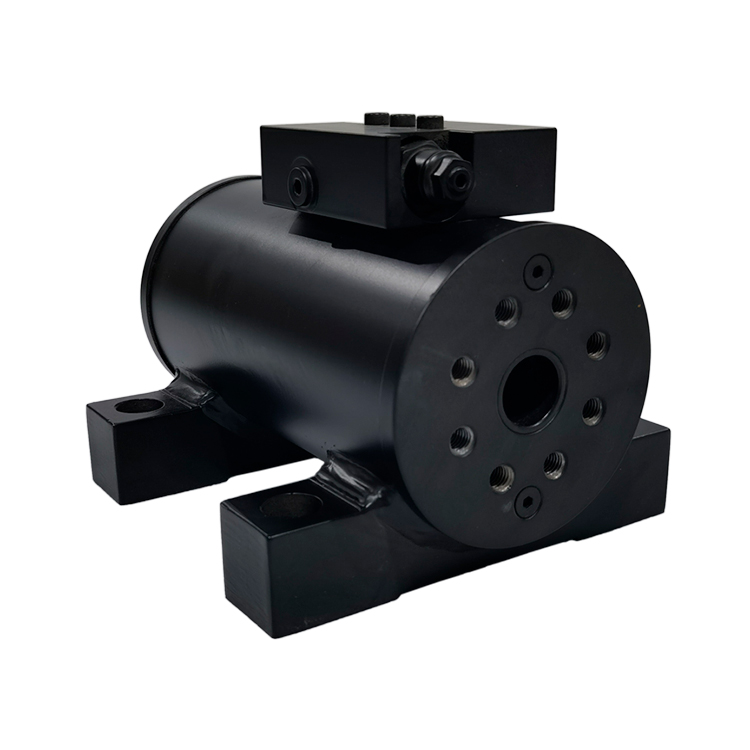
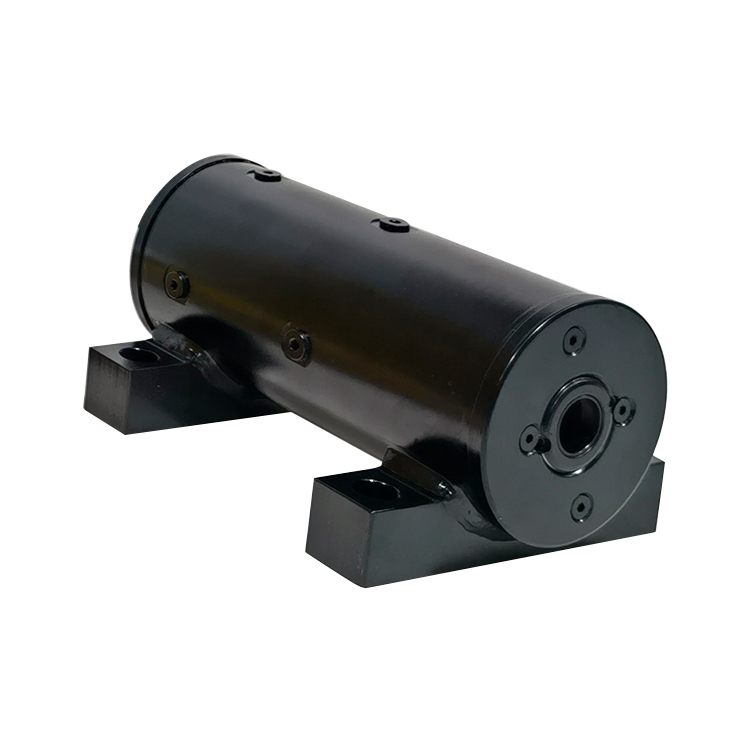
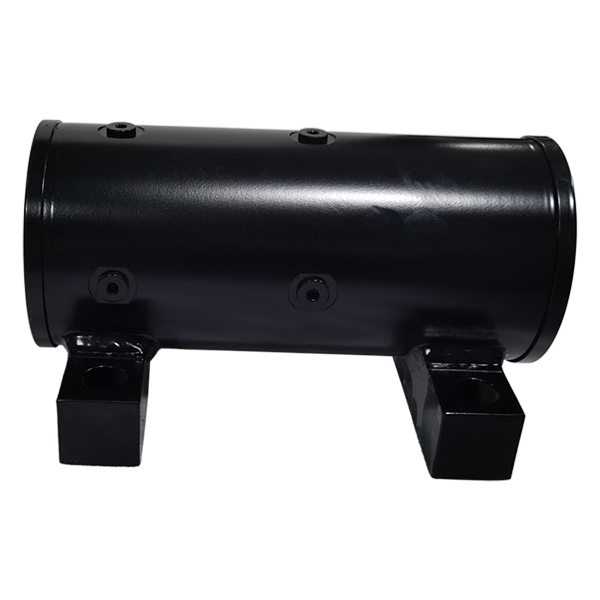
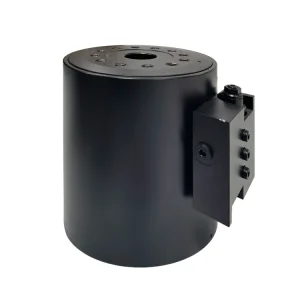
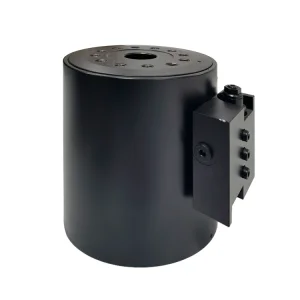
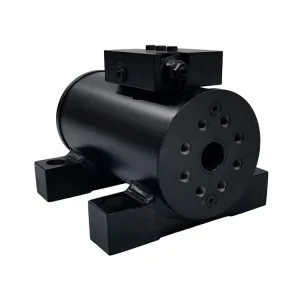
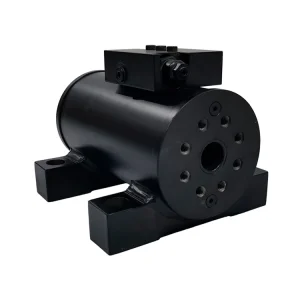
Hydraulic rotary actuators are widely used in construction machinery, mining equipment, aerial work platforms, and agricultural machinery where high torque and compact design are required for rotational movements.
What are the key advantages of using a helical rotary actuator?
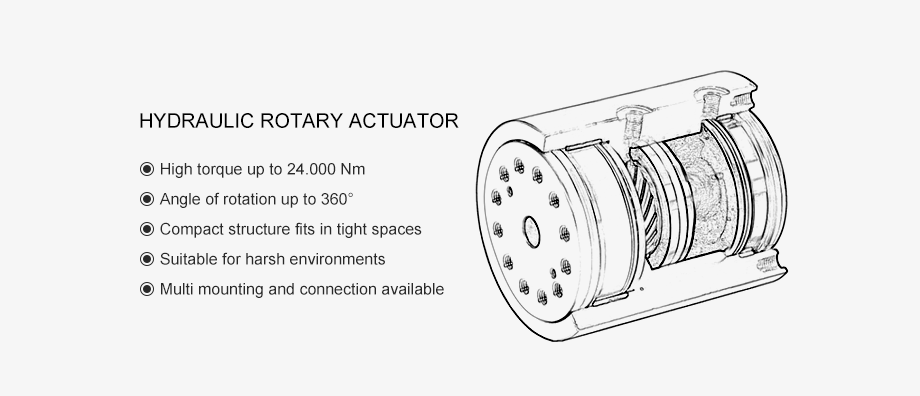
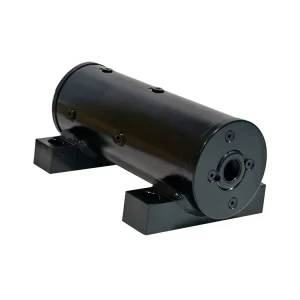
Helical rotary actuators offer high torque output in a very compact envelope. They provide excellent holding torque, precise positioning, and are resistant to shock loads, making them ideal for heavy-duty industrial environments.
How do I choose the correct actuator model for my project?
Selection depends on your required torque output, operating pressure, rotation angle, and mounting space constraints. It is essential to calculate the dynamic and static loads to ensure the actuator meets the application's performance demands.
Can these actuators operate in harsh environmental conditions?
Yes, high-quality actuators are designed with specialized seals and protective coatings to withstand extreme temperatures, moisture, and corrosive environments common in outdoor or industrial operations.
What maintenance is required for hydraulic actuators?
Regular maintenance involves checking for fluid leaks, ensuring hydraulic oil cleanliness, and monitoring the integrity of seals. Proper lubrication and periodic inspection of mounting bolts will extend the service life significantly.
Are custom rotation angles available for specific requirements?
Standard models often offer 90, 180, or 360-degree rotation, but many industrial solutions allow for customized rotation angles to perfectly match the specific needs of specialized machinery.
 Weitai Hydraulic